

Fresh business and economy news from Suriname
Provided by AGP
Design-Forward Multifunctional Furniture Redefines Modern Living as JASIWAY Expands Style-Led Accessible Home Solutions
The Evolution of Modern Living
Sheridan, WY, May 11, 2026 (GLOBE NEWSWIRE) -- Design-Forward Multifunctional Furniture Redefines Modern Living as JASIWAY Expands Style-Led Accessible Home Solutions
The Evolution of Modern Living
In 2026, the American home is undergoing a quiet but fundamental shift that is reshaping how furniture is selected, used, and ultimately valued. For years, furniture consumption followed a relatively predictable pattern: larger homes meant more rooms, and more rooms meant more individual purchases. That logic is now breaking down across major metropolitan areas such as New York, Seattle, Los Angeles, Austin, and Miami.
What has changed is not just space—it is behavior.
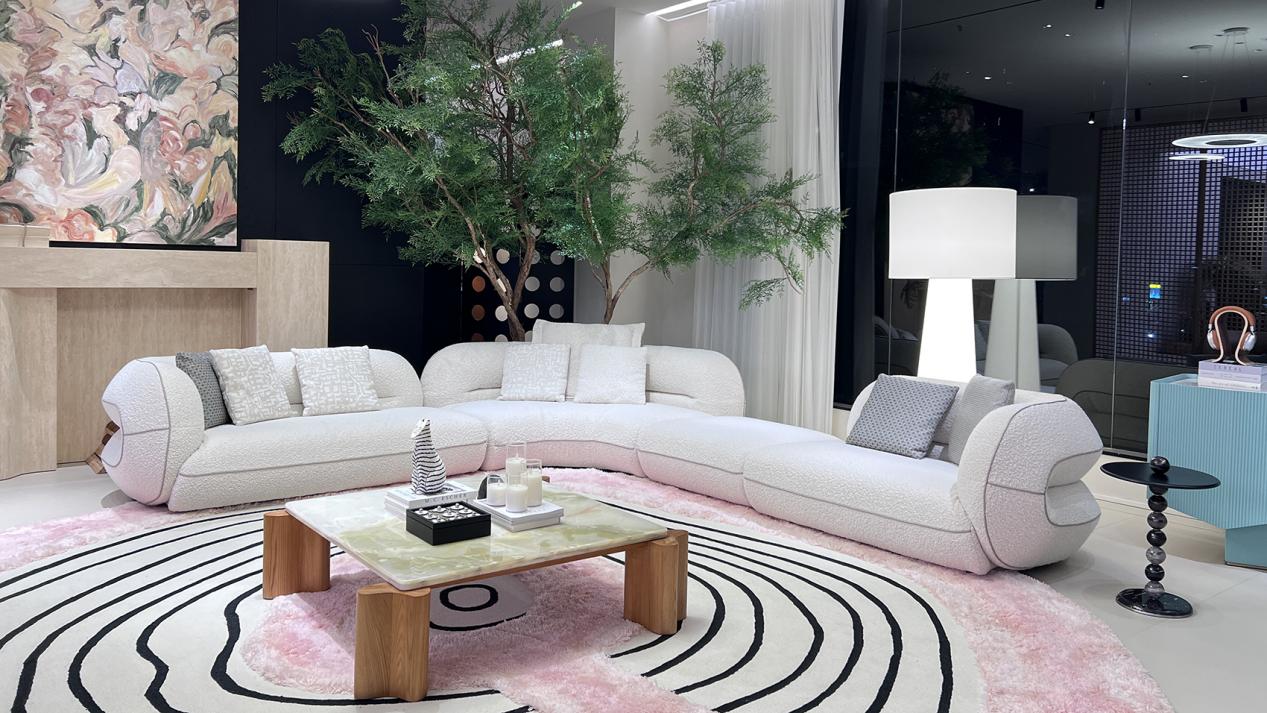
Rising housing costs and the continued normalization of hybrid work have forced many households to rethink how each square foot is used. In many urban apartments, a living room is no longer just a living room. It becomes a workspace during the day, a media lounge in the evening, and occasionally a guest accommodation system when needed. In some cases, the same space may shift roles multiple times within a single day.
This is why conversations among designers and retail consultants increasingly focus on “function density” rather than traditional room-based furnishing. Consumers are no longer asking what furniture fills a space—they are asking what furniture enables a space to do.
At the same time, expectations around aesthetics have not softened. If anything, they have intensified. Even compact apartments are expected to feel visually intentional, emotionally calm, and stylistically coherent. A cluttered or visually inconsistent interior is increasingly seen as a design failure, not a limitation of size.
In this evolving context, JASIWAY has positioned itself around a clear but increasingly relevant idea: multifunctionality does not need to look utilitarian.
Rather than separating design from function, the brand approaches both as a single system. Its product philosophy is built around the idea that furniture should adapt to daily life without visually signaling compromise. That means pieces that can transform physically, but still feel deliberate in form.
This philosophy extends across multiple product categories, from seating systems to modular storage and material-forward surfaces. At the center of its 2026 direction is the RINGCHEN collection, a more expressive line that leans into sculptural form and customized proportion. Positioned as a form of luxury designer furniture, it reflects a broader ambition: furniture that functions as both utility and visual identity.
There is also a less visible but important shift happening behind this strategy. Instead of treating products as isolated objects, JASIWAY appears to be designing around continuity—how one material, tone, or proportion flows from one room to another. The result is less about individual pieces and more about environmental consistency.
As homes continue to become more dynamic, this approach reflects a broader industry reality: furniture is no longer static infrastructure. It is part of an adaptive system that must respond to changing routines, not fixed layouts.
Case Study: The 4-in-1 Revolution
If there is one category that best captures this transition, it is multifunctional seating.
Not long ago, convertible furniture was often treated as a secondary purchase—something practical, but rarely central to a room’s design identity. That perception has changed significantly. Today, flexibility is no longer a compromise; it is a baseline expectation.
The idea of “small space living” itself has also evolved. It is no longer confined to compact city apartments. It now extends to suburban guest rooms, short-term rentals, creative studios, and hybrid workspaces where rooms need to perform multiple roles without visual disruption.
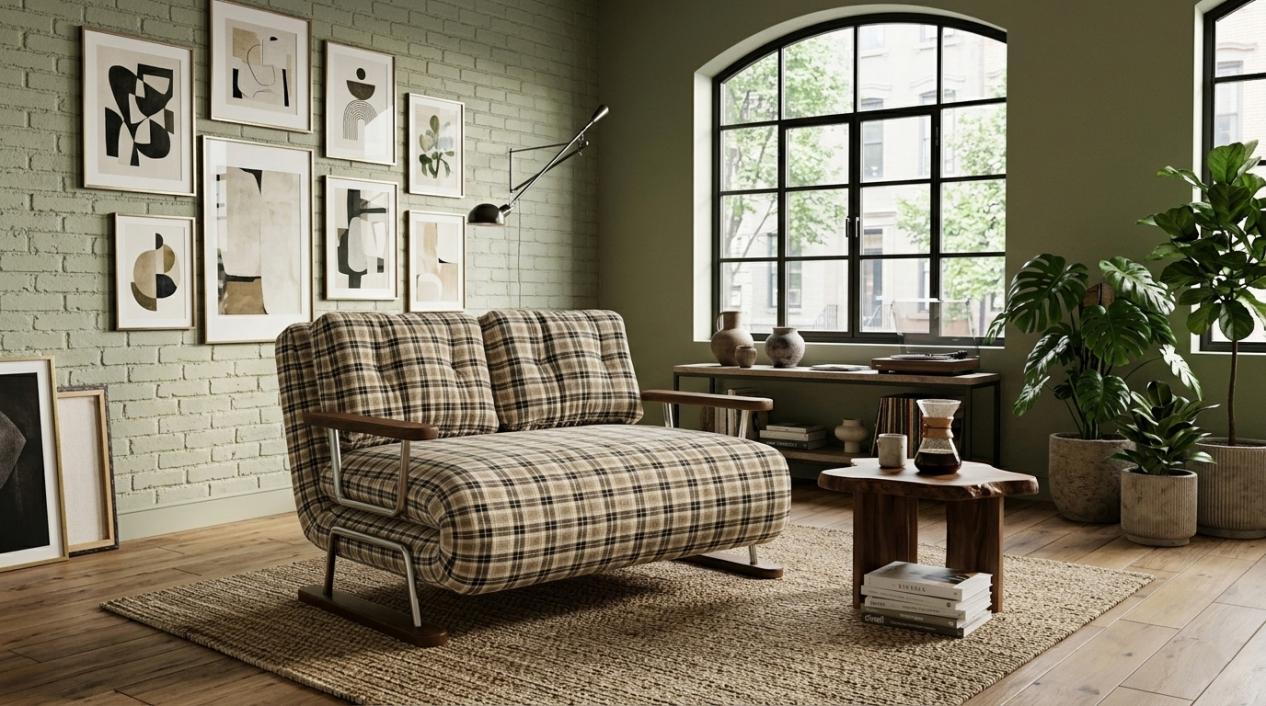
In this context, JASIWAY’s 4-in-1 sleeper sofa chair on Wayfair has become a useful reference point for how this category is shifting. It converts between chair, lounge, recliner, and guest bed configurations, but what differentiates it is not just its mechanical versatility.
It is how intentionally it presents itself in a room.
The use of tartan-inspired wool-blend upholstery is a deliberate departure from the overly neutral palette that dominates much of the multifunctional furniture category. Instead of disappearing into the background, it introduces texture, pattern, and a sense of visual memory that is often missing in compact furniture design.
In conversations around this product category, designers often point out a subtle shift: multifunctional furniture is no longer being hidden. It is being displayed.
In other words, consumers are no longer buying convertible furniture because they lack space. They are choosing it because adaptability has become part of how they want to live.
The material choice also plays a role in this perception shift. Tartan, in particular, carries a cultural association with warmth and familiarity. In a market dominated by flat neutrals and soft minimalism, this type of visual texture introduces a different emotional register—one that feels more lived-in and less sterile.
This aligns with what many designers describe as a move toward layered simplicity. Spaces remain clean and structured, but they are no longer visually silent. Materials, textures, and subtle contrasts are increasingly used to create depth without clutter.
From a structural perspective, the engineering behind this product category has also evolved. Instead of heavy pull-out mechanisms or bulky mattress systems, newer designs emphasize compact geometry and faster transitions between modes. Reinforced internal frames, foam layering systems, and modular sizing help ensure that functionality does not come at the expense of visual coherence.
This is ultimately what defines the 4-in-1 shift: multifunctionality is no longer just practical—it is expected to be visually integrated.
The JASIWAY Product Philosophy
While individual products often attract attention first, long-term relevance in furniture design tends to come from system thinking.
JASIWAY’s broader approach reflects this. Rather than treating product categories as separate silos, it builds interconnected product families that reflect different use cases within the home.
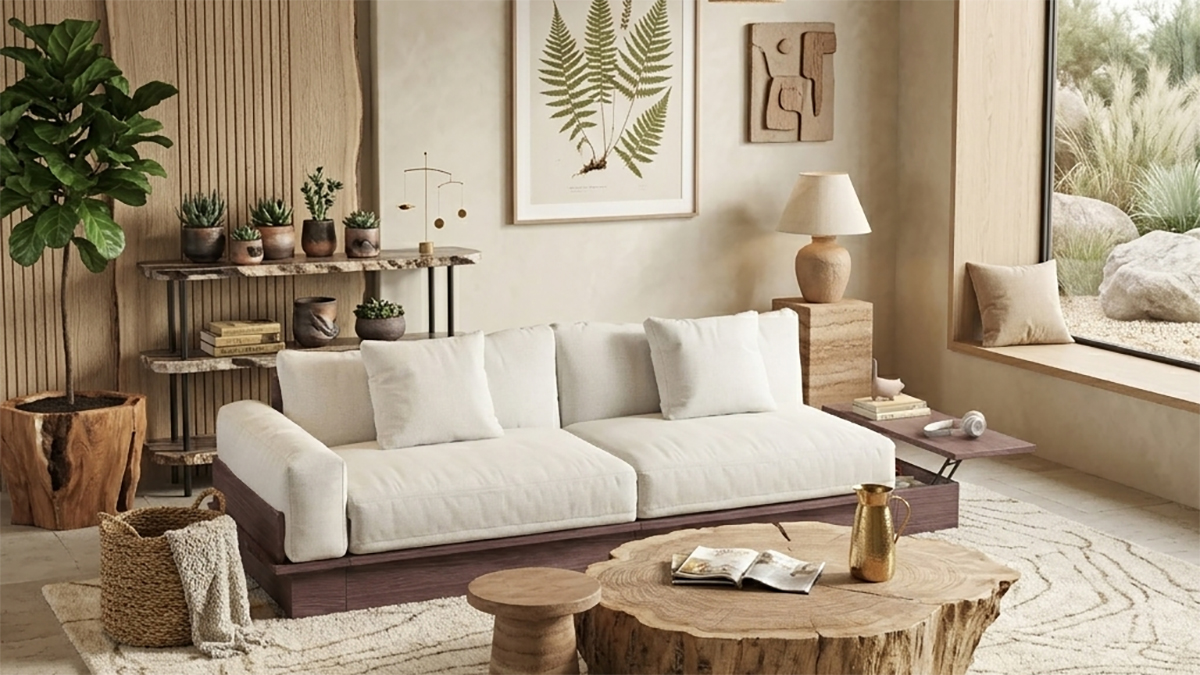
Its sleeper sofa collection is a clear example of this logic. These are not positioned as occasional-use guest solutions. Instead, they function as everyday living infrastructure—supporting daytime seating, evening relaxation, overnight hosting, and spatial reconfiguration depending on need.
This shift reflects a broader change in how homes are used. Rooms are no longer assigned fixed functions. Instead, they operate as flexible environments that change based on time and activity.
Material strategy plays an equally important role in this system.
Across categories such as dining tables, coffee tables, and storage units, sintered stone has become a recurring material choice. Its appeal lies in a balance that is difficult to achieve with natural stone alone: a similar visual depth with significantly improved durability and resistance to heat and daily wear.
This allows for visual continuity across different rooms while maintaining practical performance standards.
Structural design also reflects this focus on longevity. The solid wood folding sofa bed structure emphasizes internal reliability, using solid pine wood frameworks combined with multi-layer engineered plywood construction. These are not decorative choices—they are durability decisions shaped by long-term use expectations.
Textiles further reinforce this direction. The use of textured linen blends instead of synthetic upholstery materials contributes to a more natural visual finish and improved tactile experience. Compared to synthetic fabrics, linen-based materials tend to age more gracefully and align more closely with contemporary design preferences seen in Japandi and Organic Modern interiors.
Taken together, these choices reflect a shift away from product-centric thinking toward environment-centric design. The focus is no longer just what a product is, but how it behaves within a broader living system.
Aesthetic Leadership: Japandi Meets Organic Modern
If function defines how a home operates, aesthetics define how it is experienced.
Two dominant design directions continue to shape residential interiors in 2026: Japandi and Organic Modern. While distinct in origin, they share a common emphasis on restraint, material honesty, and emotional clarity.
Japandi blends Scandinavian simplicity with Japanese design discipline, prioritizing calm, function, and natural materials. Organic Modern, on the other hand, introduces softer curves, sculptural forms, and a greater emphasis on texture and imperfection.
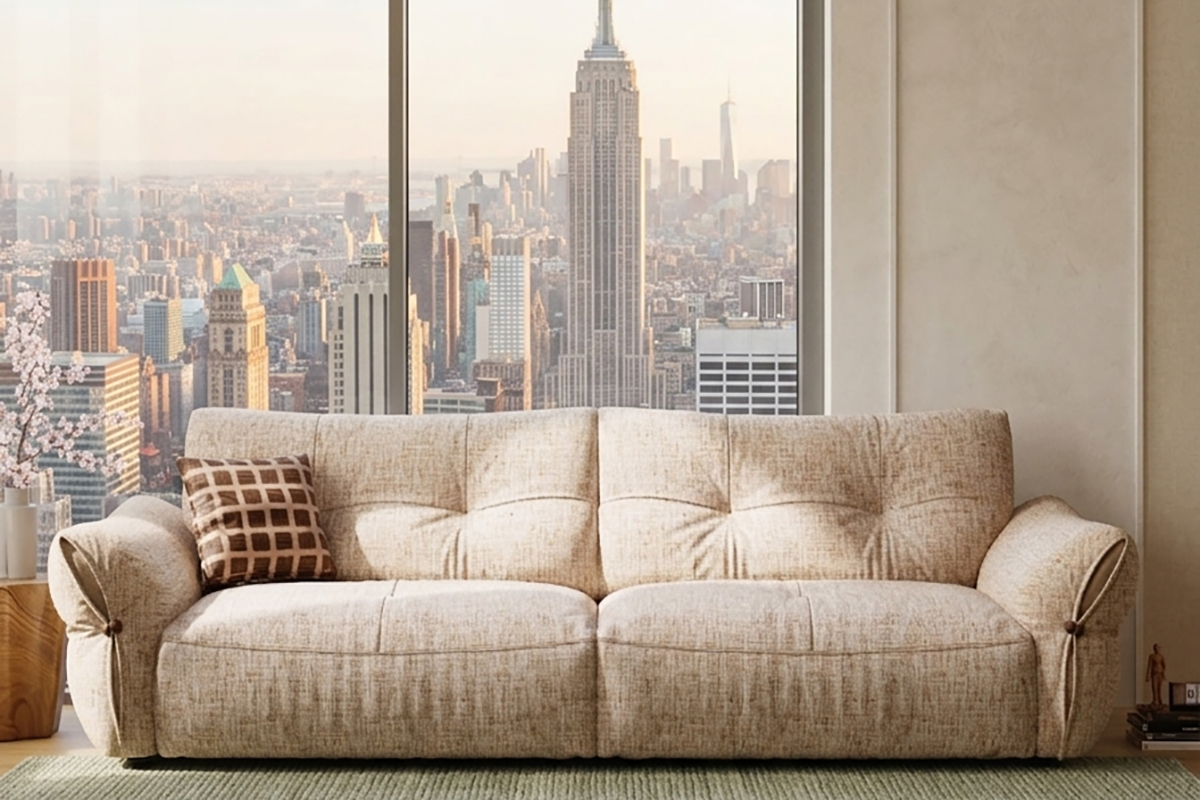
JASIWAY’s modern sofas and loveseats collection aligns closely with both directions, particularly through its use of beige, oat, and natural wood tones. These choices contribute to what many designers now refer to as “warm minimalism.”
Rather than sterile simplicity, the goal is emotional balance—spaces that feel calm without feeling empty.
Color and material psychology play a subtle but important role here. Beige tones are often associated with comfort and neutrality. Natural wood introduces grounding and familiarity. Linen textures soften visual edges and create a more organic surface experience.
In combination, these elements contribute to interiors that feel less like styled spaces and more like lived environments.
Supply Chain Transparency & Global Expansion
As consumer awareness increases, expectations around sourcing, logistics, and compliance have become more visible factors in purchasing decisions.
JASIWAY has expanded its U.S. logistics footprint across Los Angeles, New Jersey, Savannah, Chicago, and Houston, supporting more efficient regional distribution and faster delivery cycles. These operational decisions are increasingly important in a market where customer expectations around speed and reliability are rising.
Partnerships with established retail ecosystems such as Wayfair and Home Depot further reinforce distribution credibility in the U.S. market.
At the same time, material compliance standards such as Prop 65 and TSCA have moved from technical requirements to consumer trust indicators. Buyers are more aware than ever of what materials enter their homes, particularly in categories such as upholstered seating and engineered wood products.
Looking ahead, expansion into European and Japanese markets appears strategically aligned. Both regions place high value on compact living solutions, material quality, and design discipline, making them natural extensions for multifunctional furniture systems.
Conclusion: Redefining Comfort for the Next Generation
Furniture is no longer defined by a single function or by traditional notions of luxury.
Instead, it is increasingly defined by adaptability, material intelligence, and long-term relevance within evolving domestic environments.
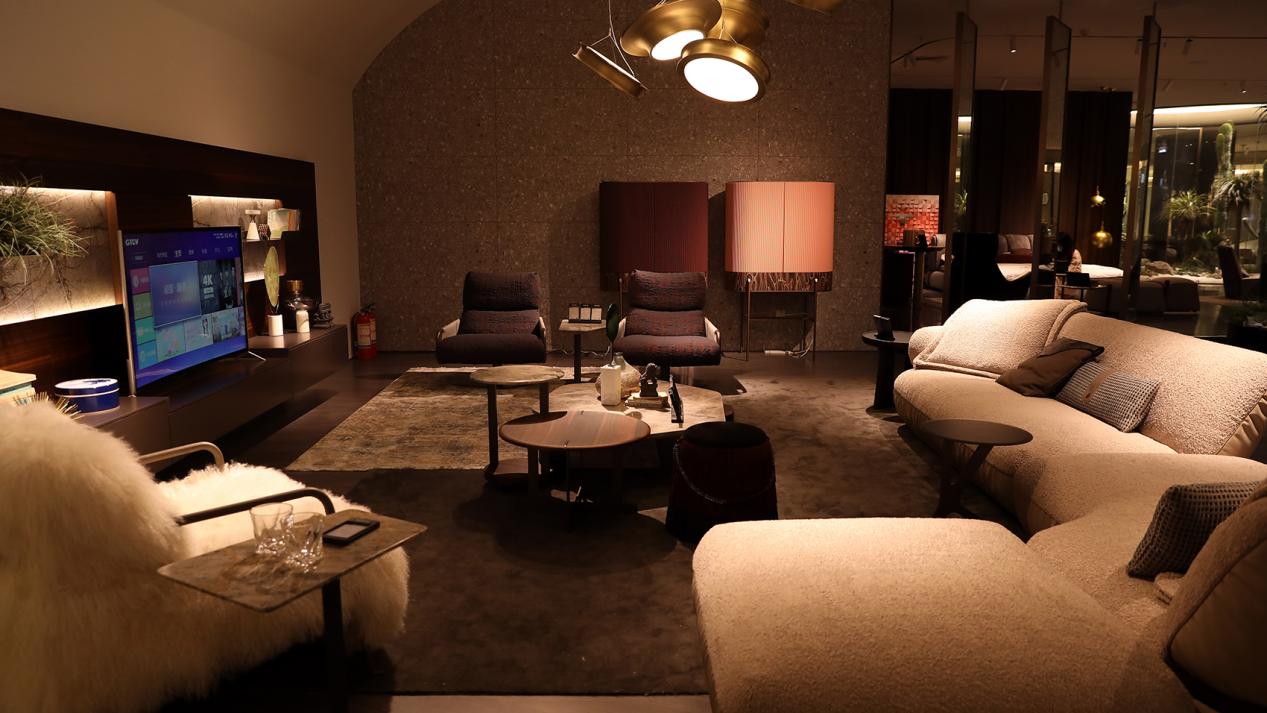
JASIWAY’s approach reflects this transition by positioning design and function as inseparable elements of the same system. In doing so, it highlights a broader shift in consumer expectations: furniture should not only occupy space, but actively improve how that space is experienced.
In this evolving landscape, comfort is no longer simply physical. It is structural, visual, and behavioral—shaped by how well design adapts to real life.

Tommy F.
service@jasiway.com
Legal Disclaimer:
EIN Presswire provides this news content "as is" without warranty of any kind. We do not accept any responsibility or liability for the accuracy, content, images, videos, licenses, completeness, legality, or reliability of the information contained in this article. If you have any complaints or copyright issues related to this article, kindly contact the author above.
